3DPS RFF – A filament feeding system designed for real-world printing
3 min read
3DPS RFF – A filament feeding system designed for real-world printing
Over the past months we have been heavily working on a project that solves a problem many 3D printing users know well: filament drag, unstable feeding and long-distance filament transport.
3DPS RFF – A filament feeding system designed for real-world printing
Over the past months we have been heavily working on a project that solves a problem many 3D printing users know well: filament drag, unstable feeding and long-distance filament transport.
Modern 3D printers are getting faster, larger and more advanced every year, but filament handling still often remains a compromise. Large spools, external dryers, long PTFE tubes or multi-meter filament paths can place significant stress on the extruder system. This can lead to inconsistent extrusion, increased wear, feeding resistance or even failed prints.
What is the 3DPS RFF?
The 3DPS RFF (Remote Filament Feeder) is a semi-passive intelligent filament feeding system that creates and maintains a controlled filament buffer directly before the printer.
Instead of forcing the printer’s extruder to pull filament through long and difficult paths, the RFF actively assists the feeding process and continuously adapts its speed to the actual filament consumption of the printer.
The result:
Reduced filament drag
Less stress on the extruder
More stable extrusion
Improved reliability during long prints
Cleaner filament handling for dryers and large spools
Designed for real-world setups
The RFF was designed with practical use in mind. Whether the filament comes from a drybox, a wall-mounted spool system or from several meters away, the goal is always the same: maintain a stable filament flow directly at the printer.
The system creates an approximately 50mm adaptive filament buffer near the extruder, allowing the printer to retract and feed normally while the RFF dynamically compensates in the background.
Main features currently in development:
Adaptive feed control based on real filament usage
Long-distance filament transport support
Support for large spool systems and dryers
Low stress operation for direct-drive and Bowden systems
Broken filament detection
External filament sensor support
TMC2208 silent motor driver
USB Type-C interface
External extruder motor connector
Status LEDs and future expansion options
Future plans
The project is still actively under development, and multiple versions are planned:
RFF Standard – standalone intelligent feeder
RFF Pro – central controller for multiple feeder units
RFF Light – lightweight extension module for larger systems
Our long-term vision is to create a modular filament management ecosystem that remains fully printer and firmware independent.
Development status
The electronics, firmware and mechanical systems are already functioning in prototype form, and testing is continuously ongoing on multiple printer configurations.
We are currently focusing on:
Firmware refinement
Mechanical optimization
Long-term reliability testing
User-friendly mounting solutions
Preparation for wider public testing
More updates, videos and technical details will be shared soon.
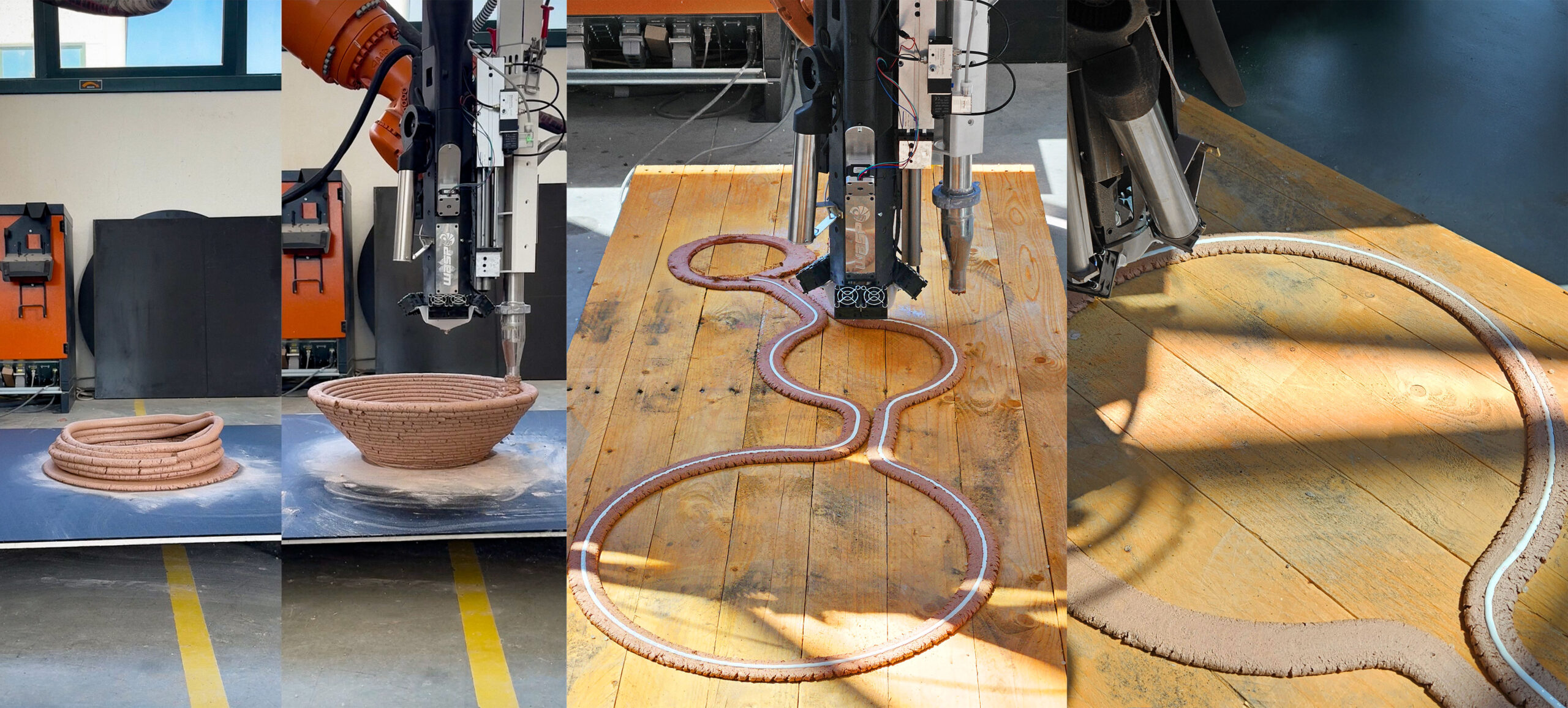
Italian manufacturer WASP is combining earth-based paste extrusion with plastic-granule printing in a process designed to keep the two material groups separable at end of life.
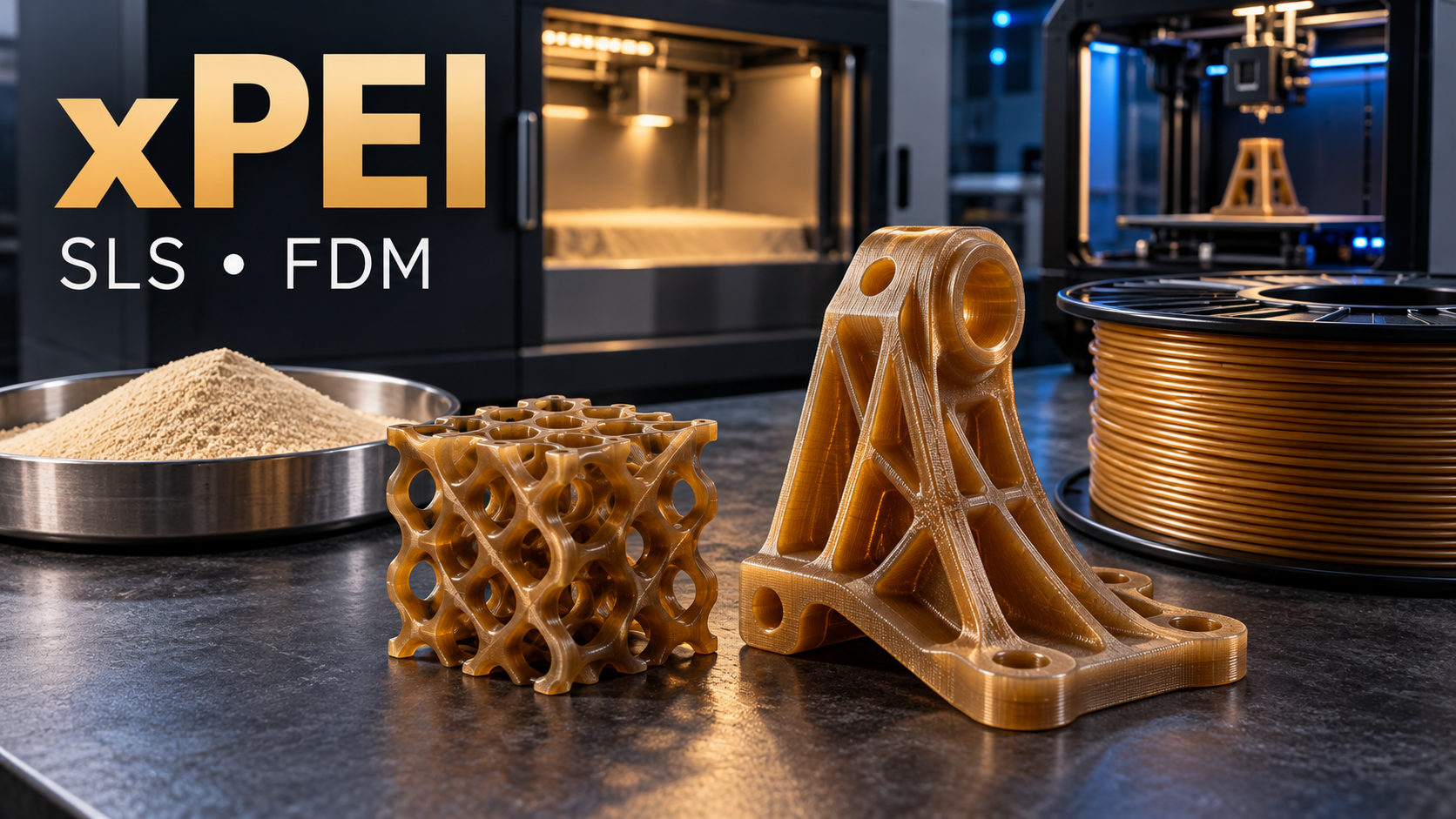
BlueSky Polymers, Insight Polymers and Advanced Laser Materials have developed xPEI, a reactive polyetherimide material intended to make high-temperature PEI more practical for SLS, with an FDM filament also planned.
Suzhou-based Nuosibeirui, owner of the KEXCELLED brand, has closed a new funding round while expanding industrial filaments, photopolymer resins and custom material development.
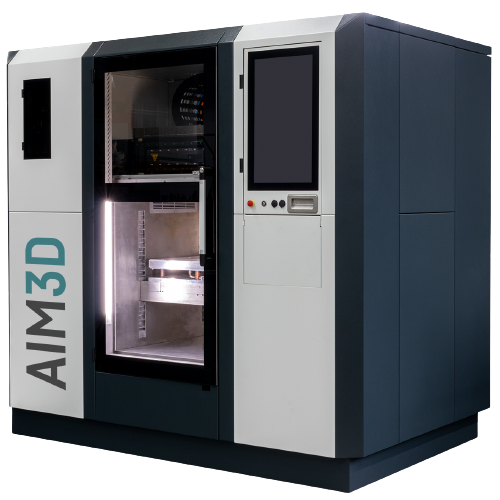
AIM3D has adapted its pellet-fed ExAM 510 for aerospace applications. The A 510 variant targets ULTEM 9085 parts and a documented, repeatable manufacturing process.
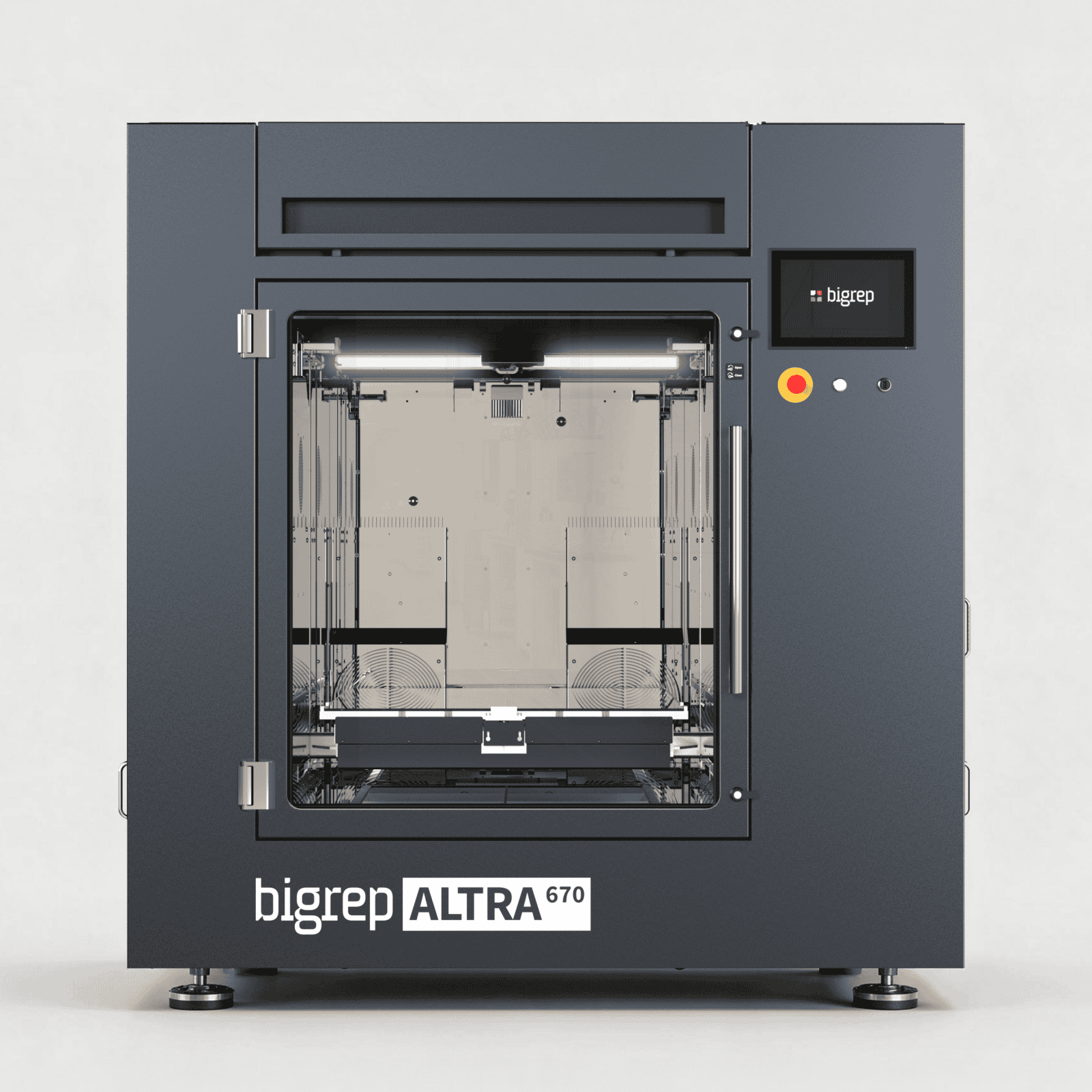
BigRep is leaving the stock exchange while introducing the ALTRA 670, an industrial printer with a 1200 × 700 × 800 mm build volume and extruders rated to 450 °C.
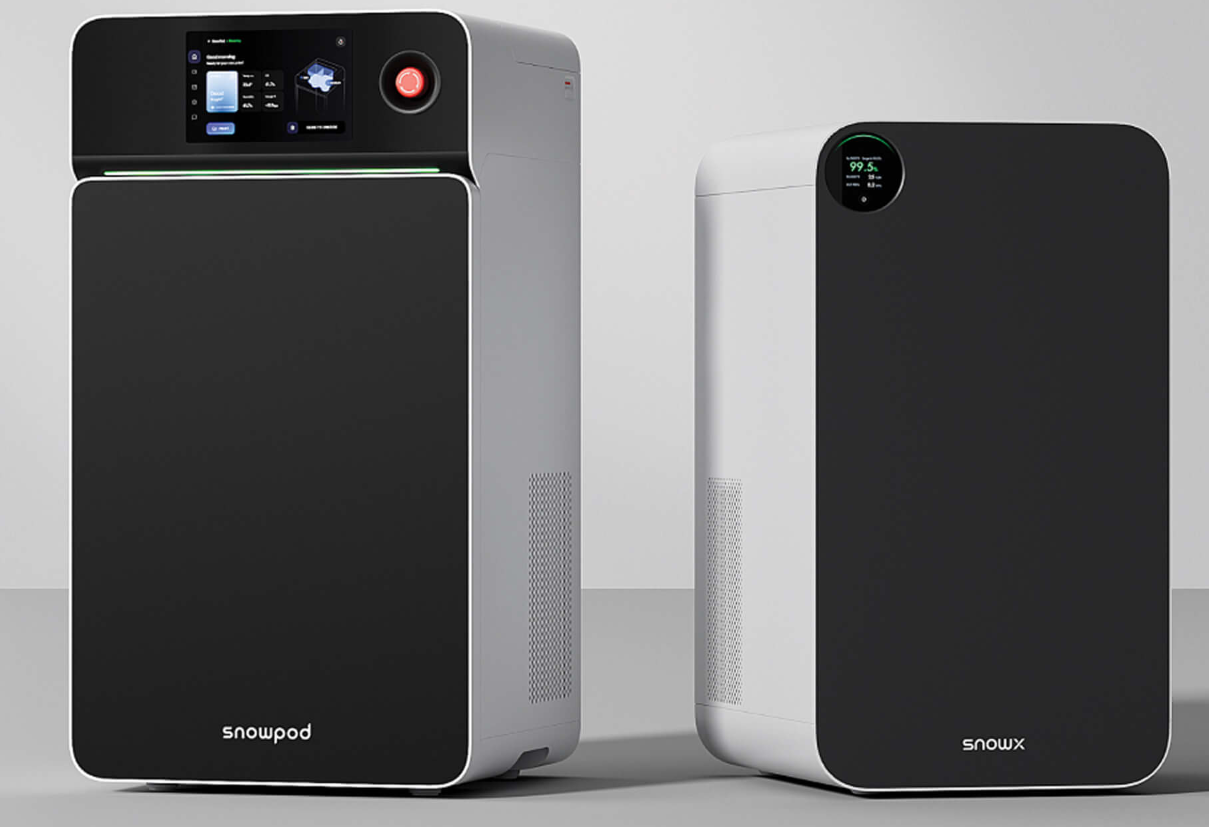
SnowX is developing SnowPod to bring laser powder bed fusion to smaller workspaces, emphasizing a 40 µm laser spot and more contained powder handling. Safety and ownership costs remain key questions.
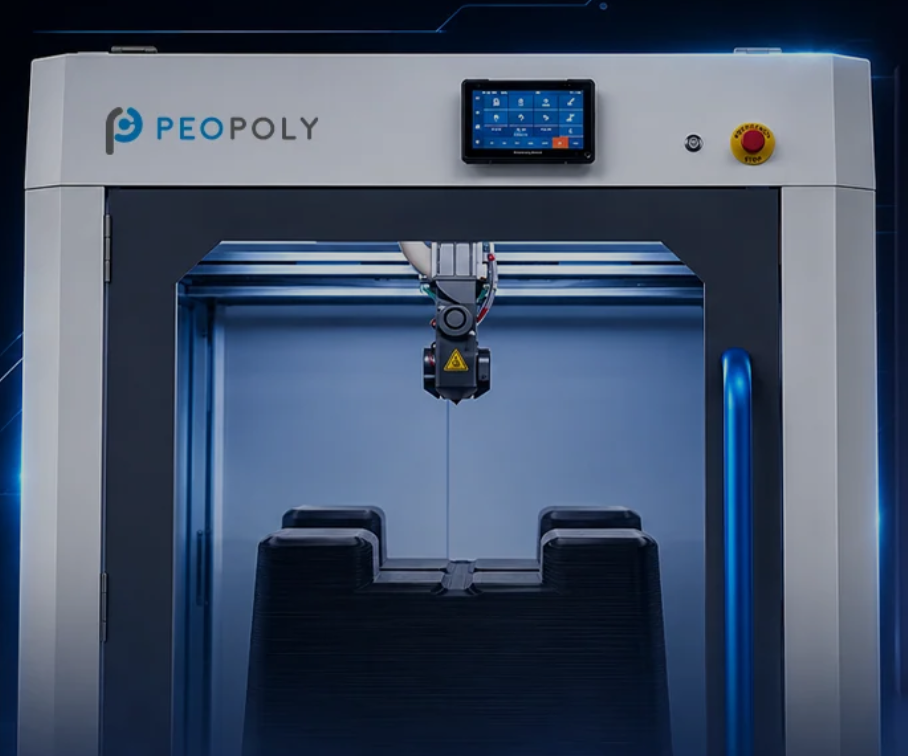
Peopoly opened general sales of its 800 mm-cube Giga 800 FGF printer on October 22, starting at $15,000 and adding laser-assisted leveling after early-adopter feedback.
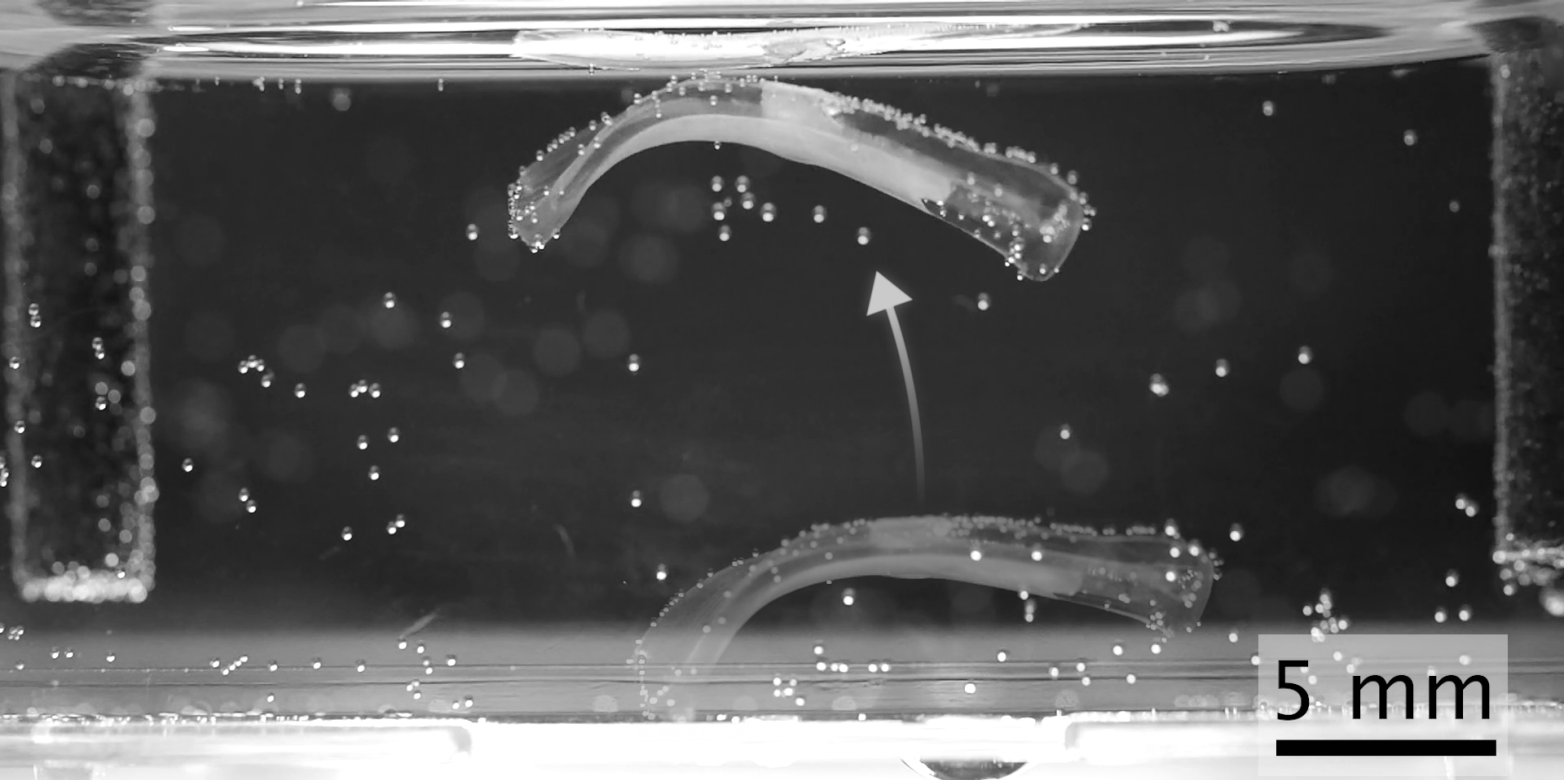
ETH Zurich researchers combined volumetrically printed hydrogel scaffolds with living muscle tissue to create biohybrid actuators, reporting up to elevenfold greater motion in selected comparisons.
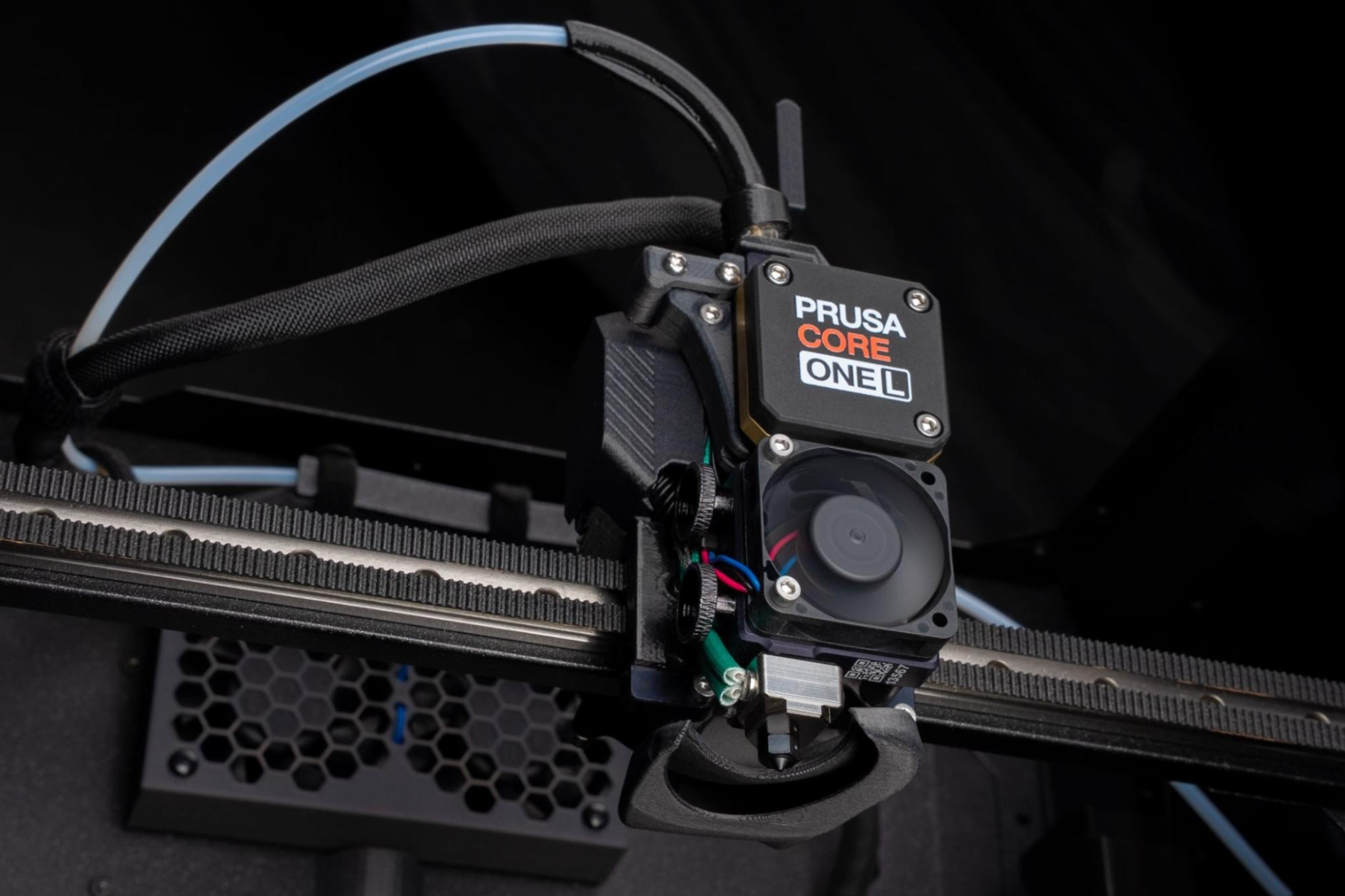
Prusa detailed its 400 °C HT Hotend, HighTemp build sheets and three engineering filaments on October 21. A hotter nozzle alone does not make a desktop printer a PEEK-capable industrial system.
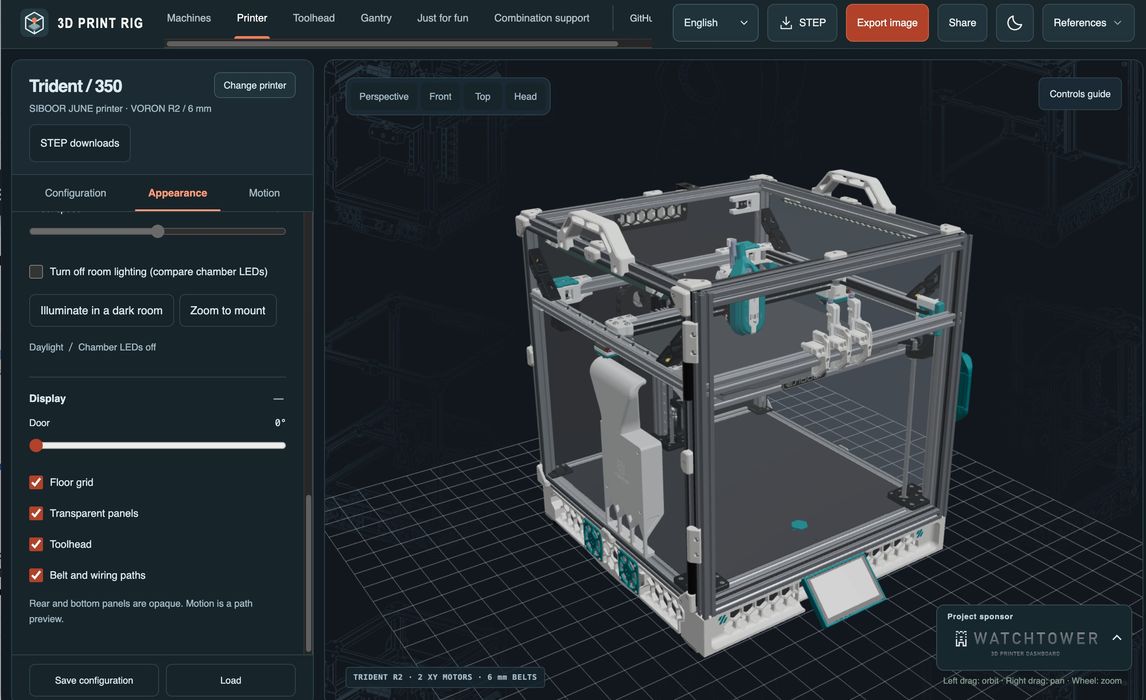
3D Print Rig brings PC-style component selection to DIY printers with a browser-based 3D preview. Users can compare toolheads and mechanical options, but physical compatibility still needs verification.
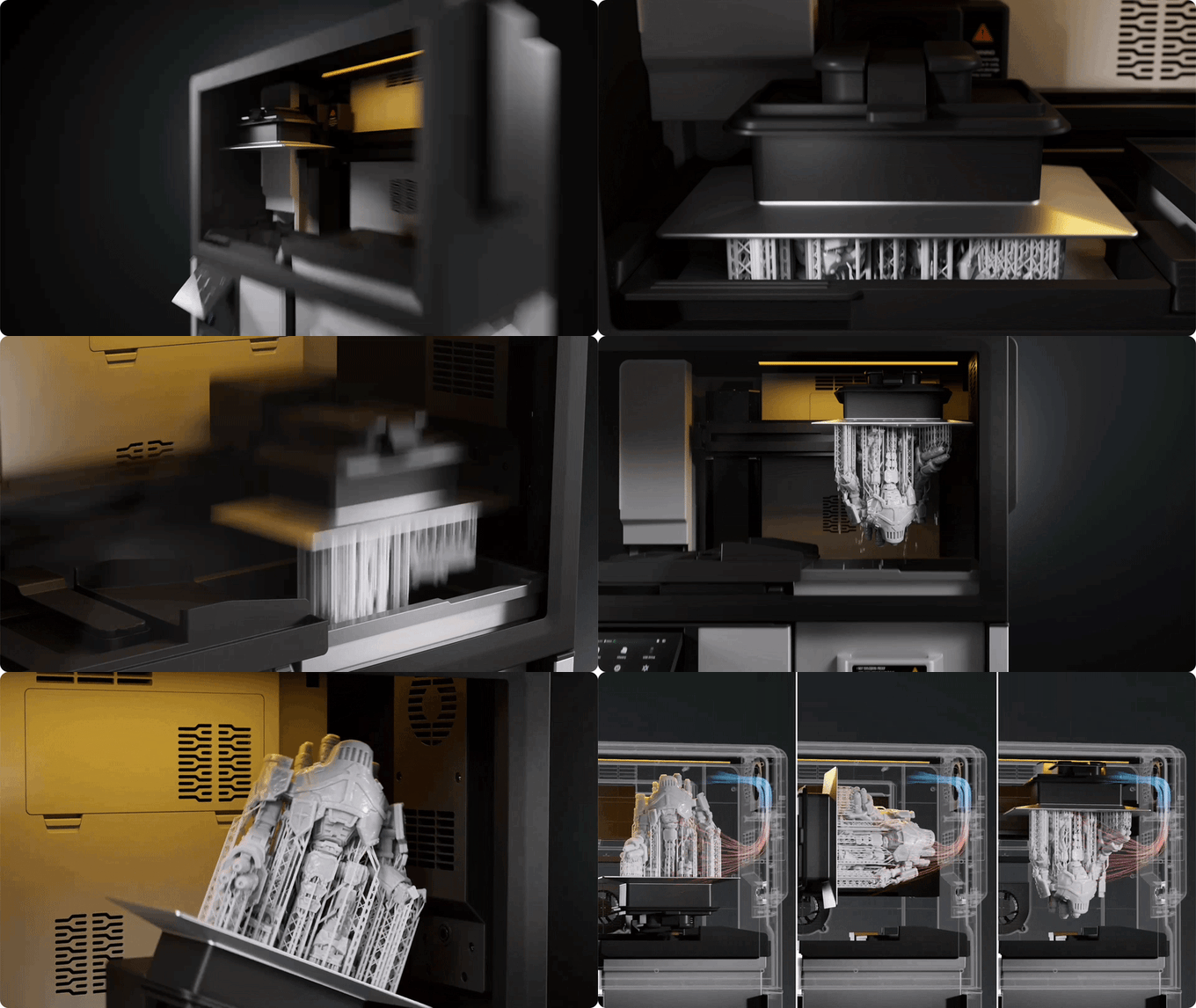
UniFormation’s S10 Kickstarter was active with October 22 updates. The 16K resin system integrates printing, washing and drying, but final UV curing is not automated.
Elegoo has teased the M1 Ultra scanner, claiming 0.02 mm accuracy, wireless operation and touchscreen controls. Pricing and the underlying measurement technology are still undisclosed.